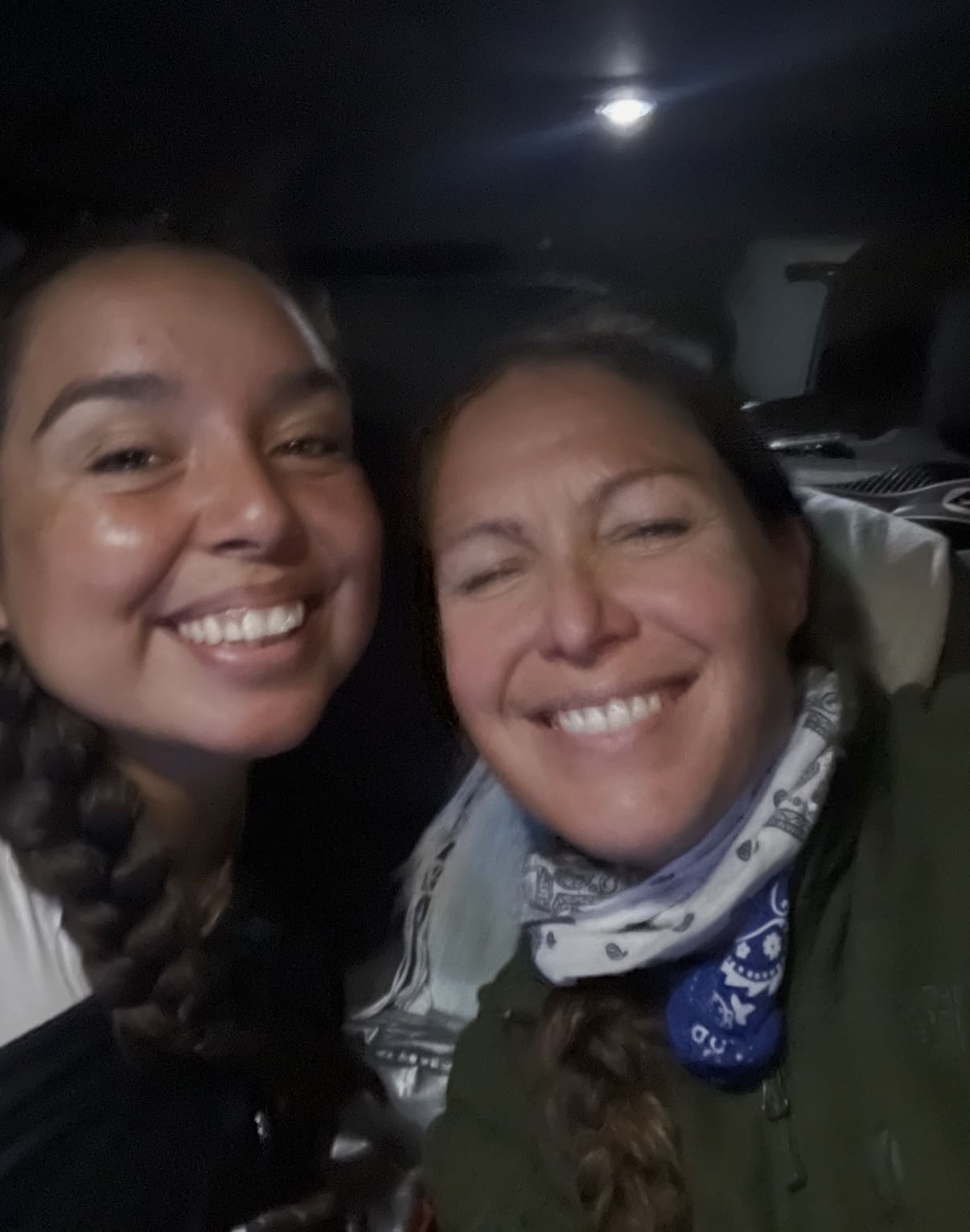

Coming back from ISPA—a show where we present our collection to spas and resorts around the world—my sister Sophie and I were listening to Jesse Itzler talk about what he calls the “Big Ass Calendar.”
At the center of it is a simple idea: design your year on purpose. One of its pillars is the Misogi—something you commit to for a full year that you’ve never done before. You train for it, build toward it, and at the end of the year, you step into it fully. Alongside that, each quarter brings a new habit, and each month you commit to going somewhere you’ve never been or experiencing something new.
The rules are simple: this calendar is for personal growth and joy. Not work. Not obligations. Only the things that expand how you live. His point was clear—these commitments can become some of the most meaningful parts of your life because they come from desire, curiosity, and discipline. Instead of letting life happen to you, you plan it.
So we did.
My sister and I looked at each other and said, let’s do a triathlon.
We’d both been drawn to that world for a while—the endurance, the structure, the mental edge. It felt like the right kind of unknown. Something we could build toward.
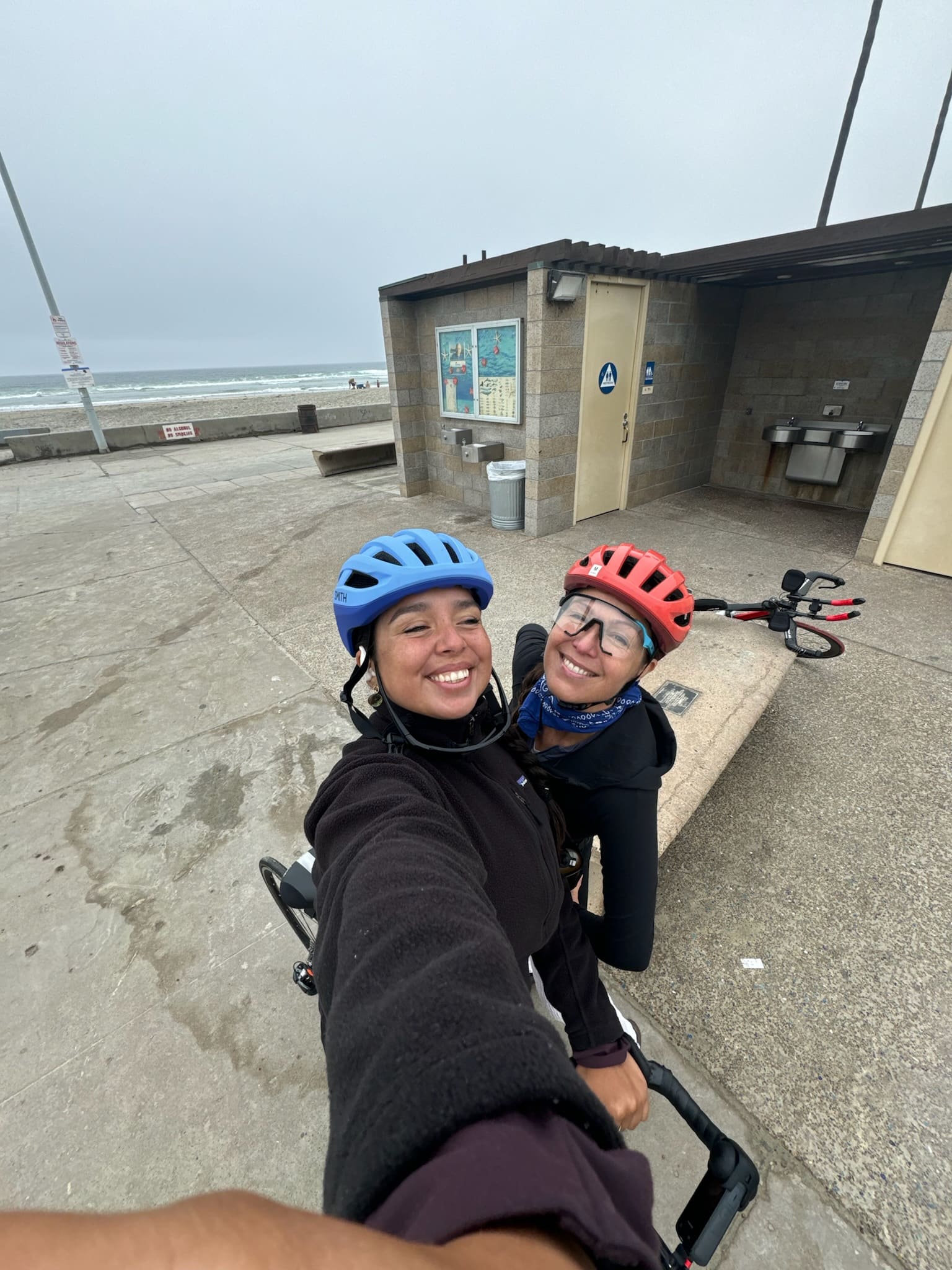
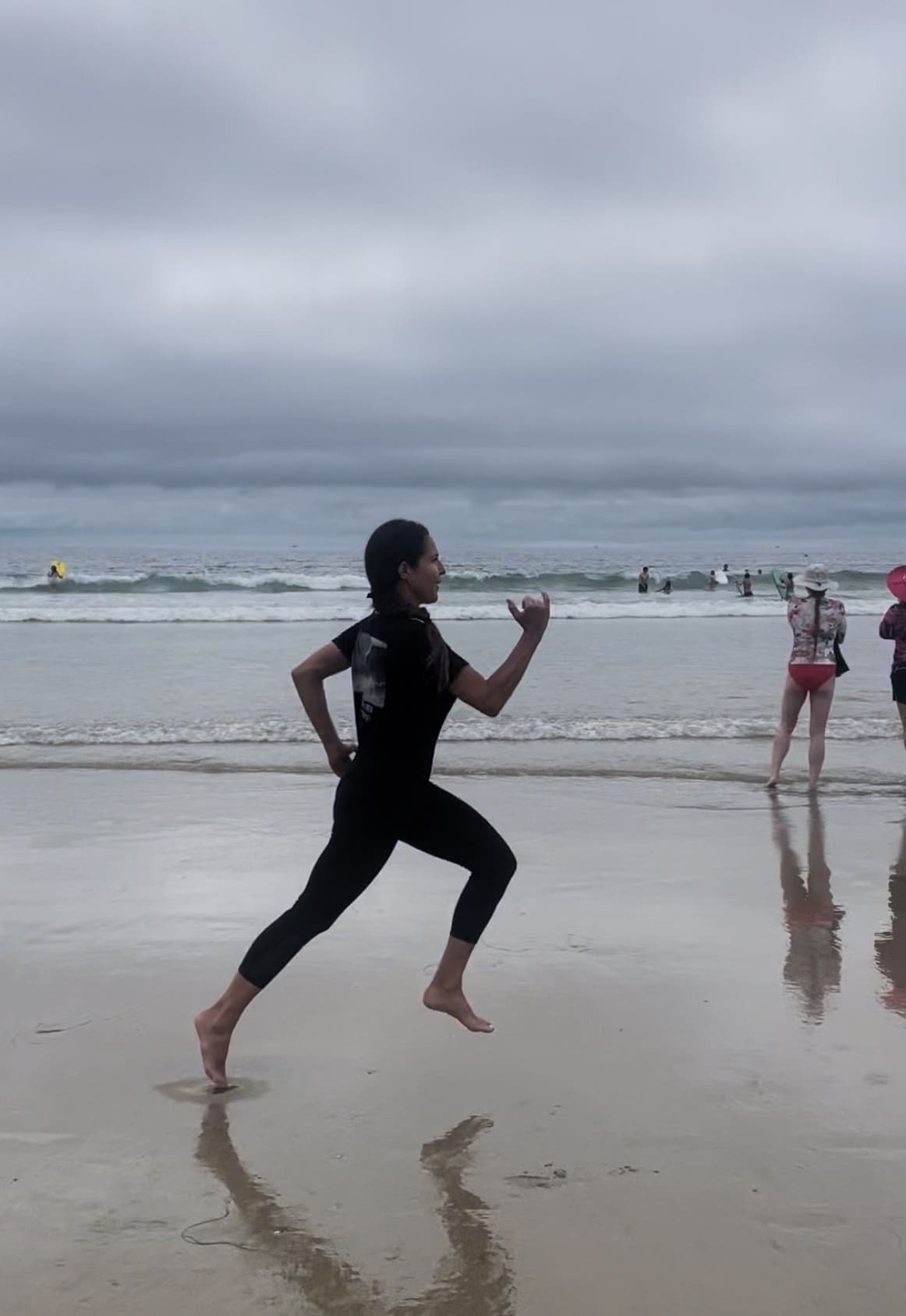
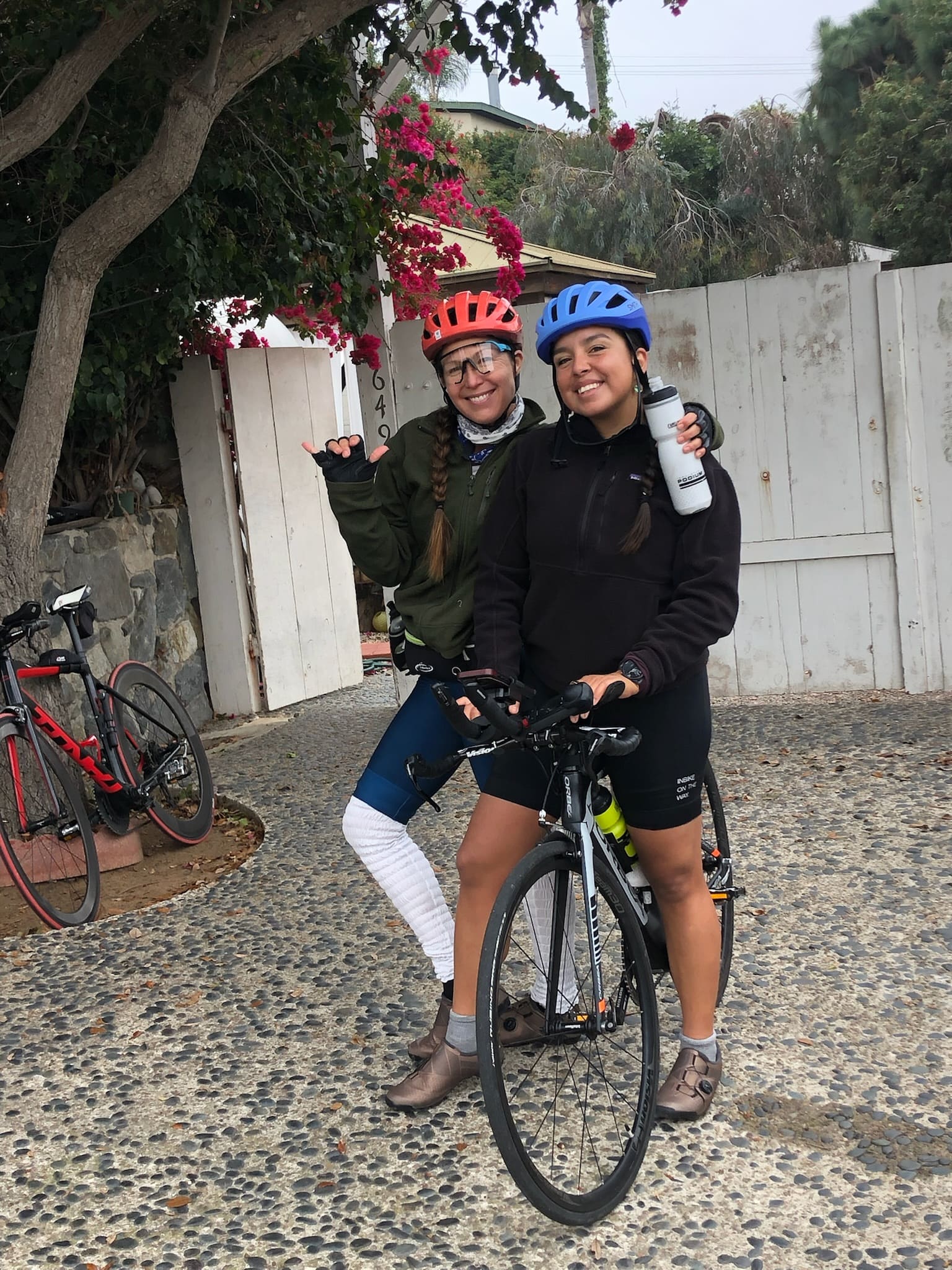
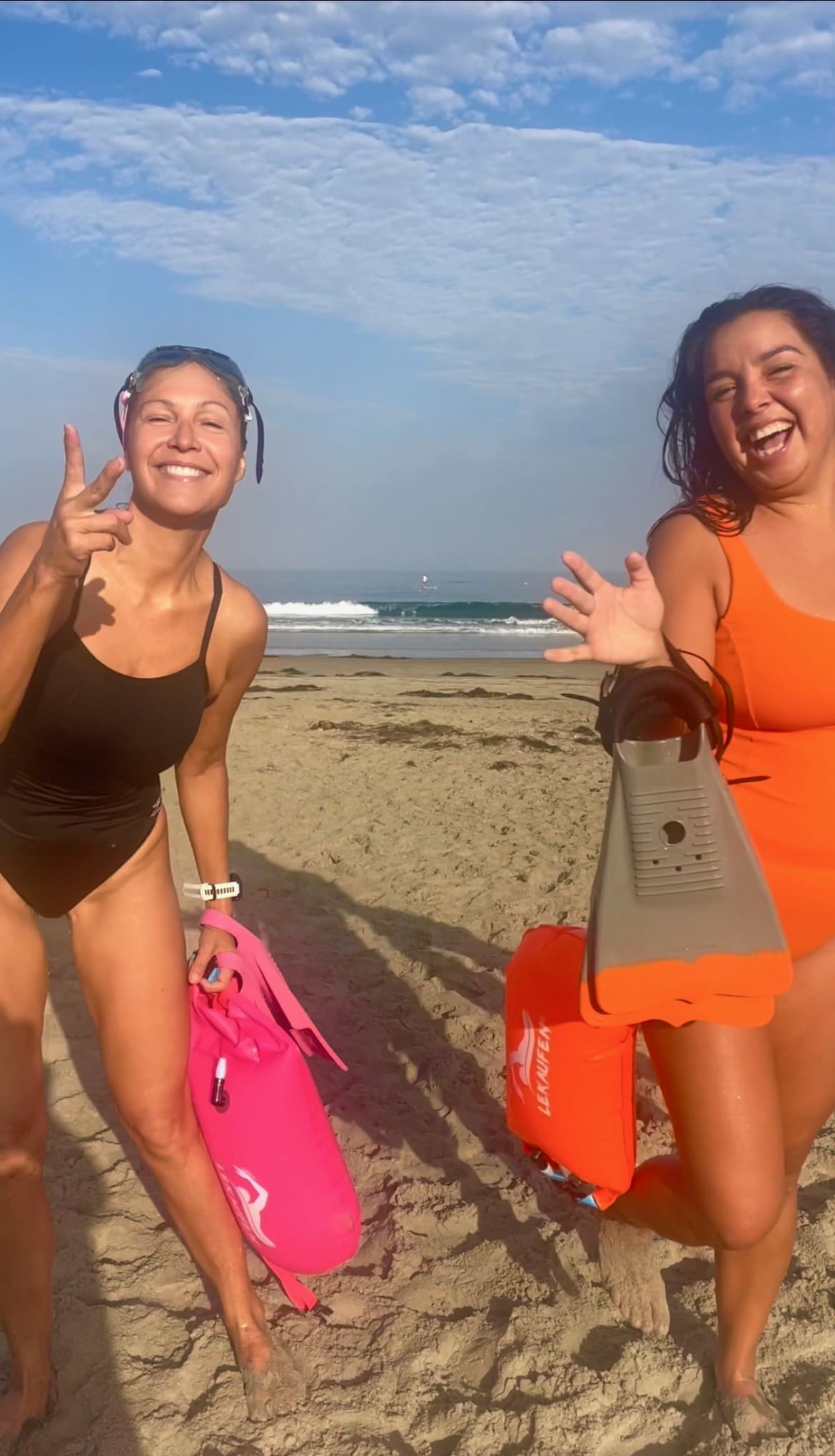
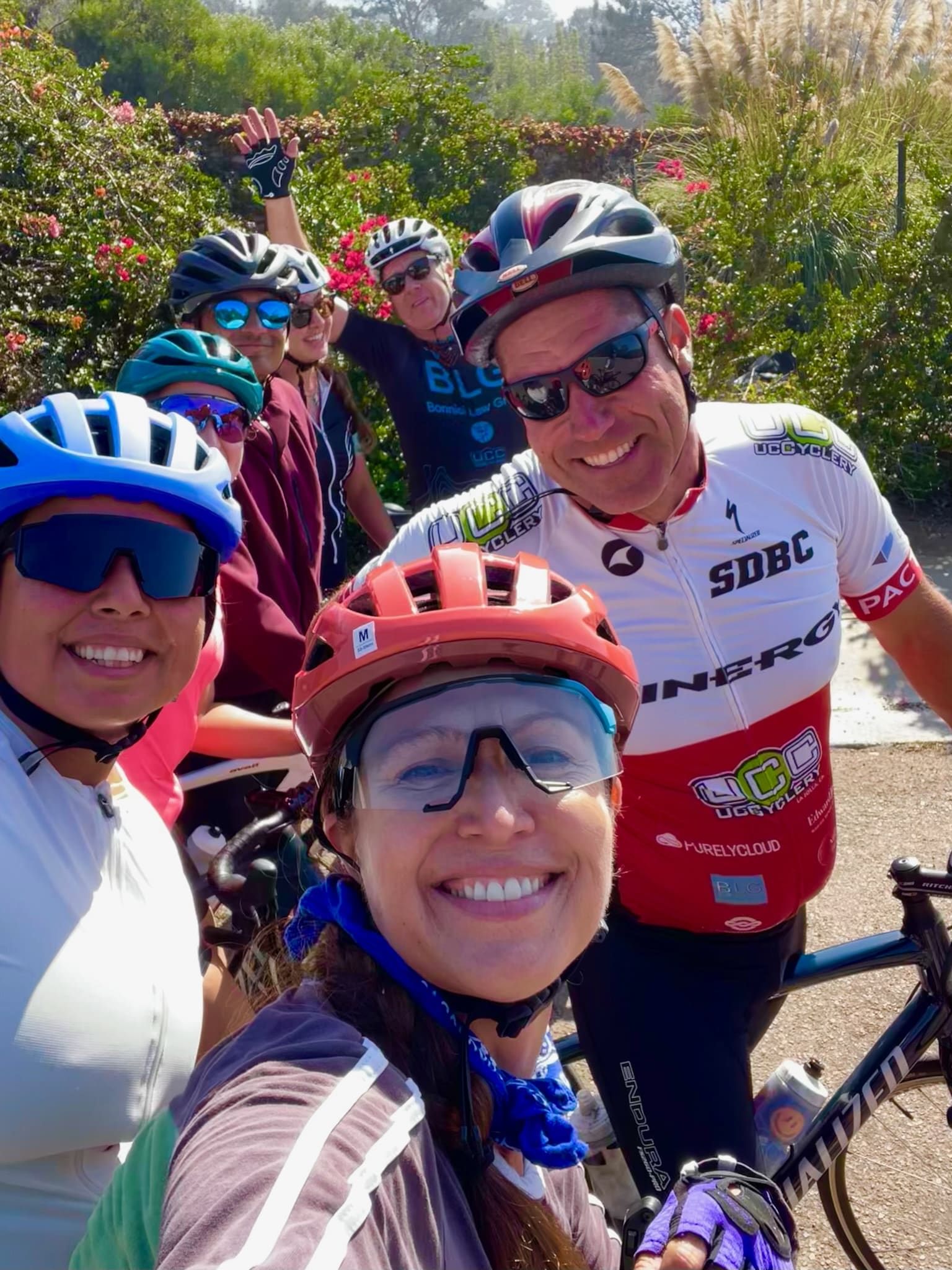
We started training daily. Swimming, running, biking—indoors, outdoors, wherever we could fit it in. It became a rhythm. Not dramatic, just consistent. Some days felt strong. Some days didn’t. But we kept showing up.
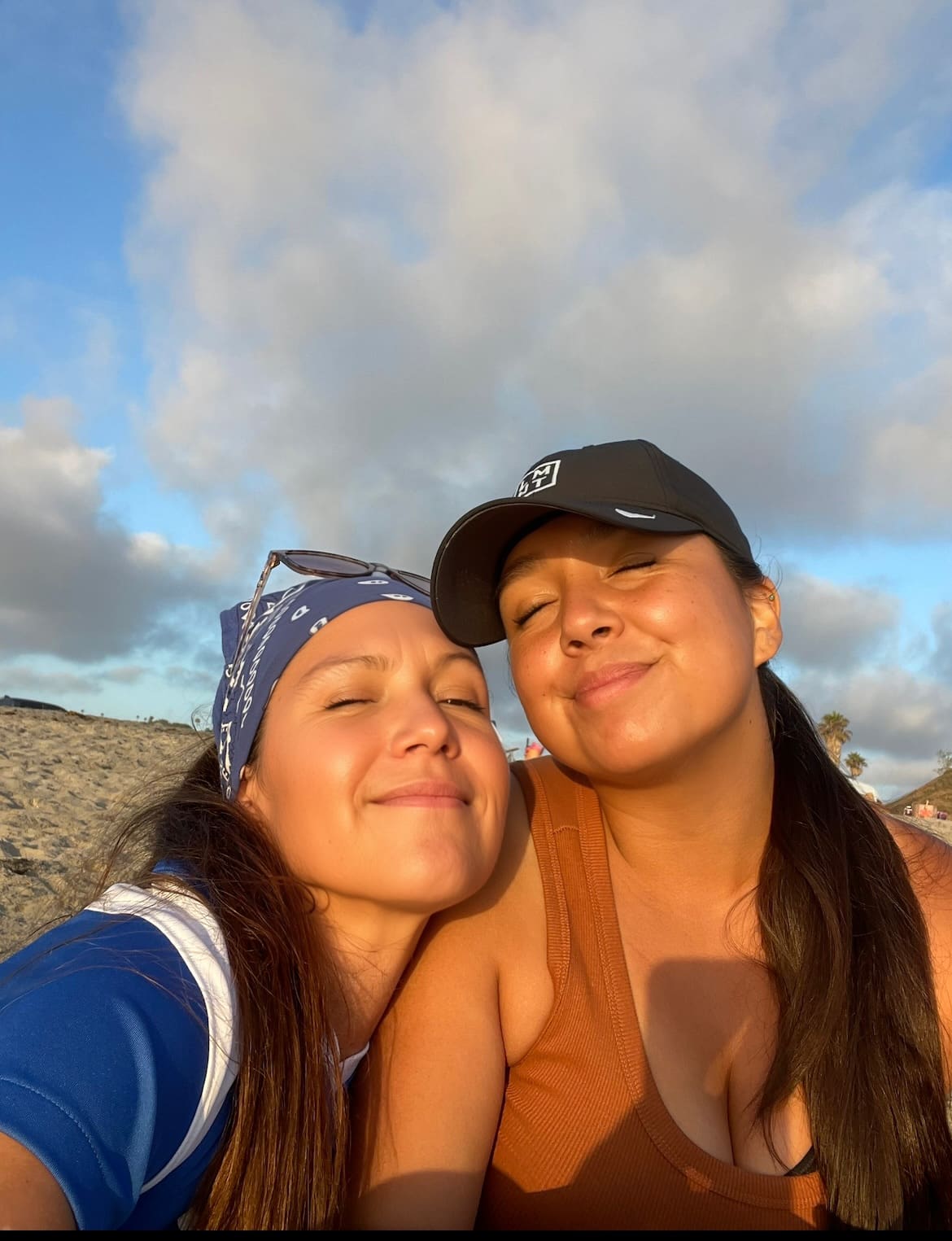
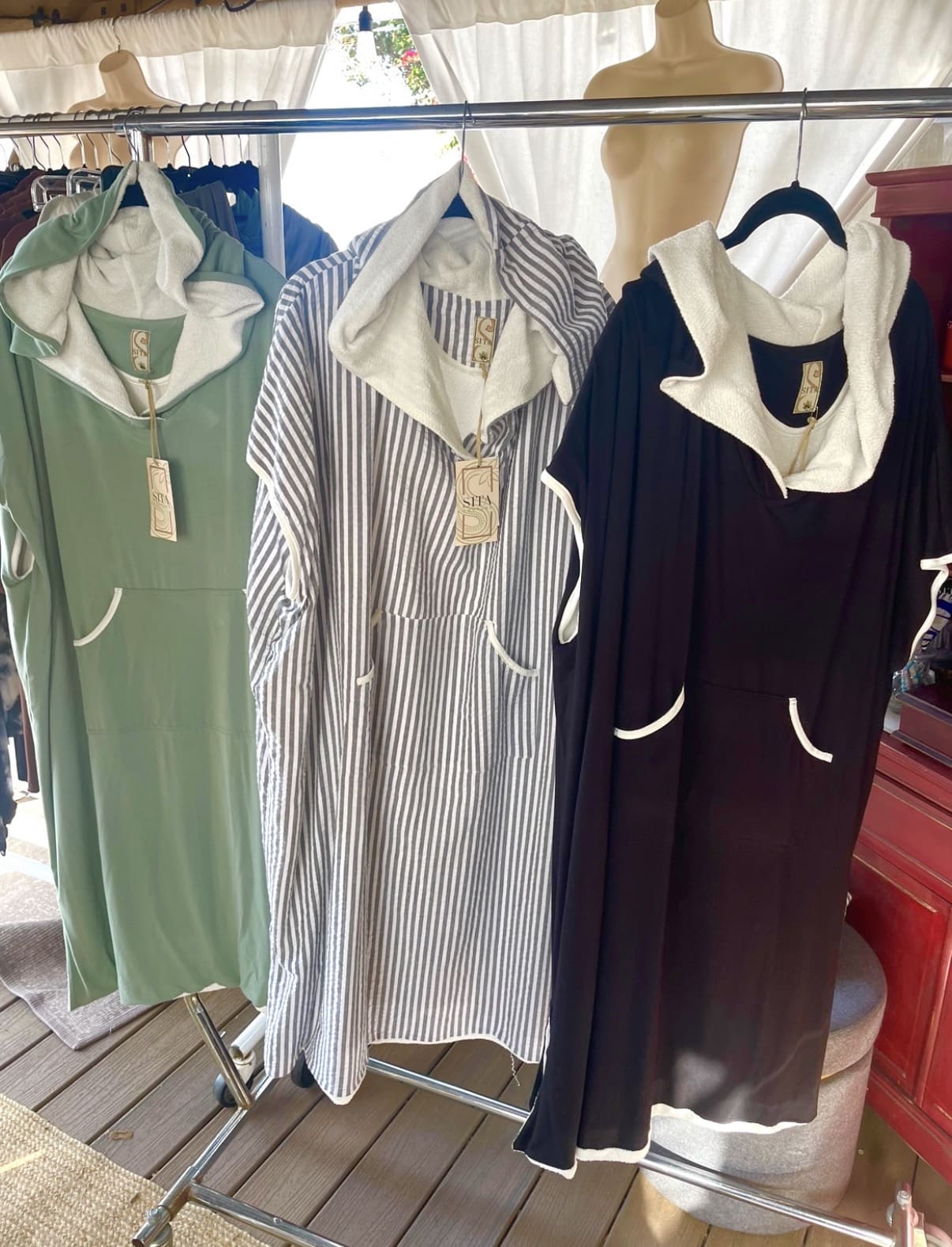
And somewhere in that season, we were also living in our SITA pieces in a different way—post-training, pre-next-session, in that quiet space where your body is tired but alert. Resting in the clothes we design gave the experience a different kind of closeness. The Kayla Cover especially lived in that moment with us—an oversized beach cover designed for ease and changing, something you can throw on without thinking. It became part of those in-between hours after long sessions, when everything slows down.
We completed two triathlons.
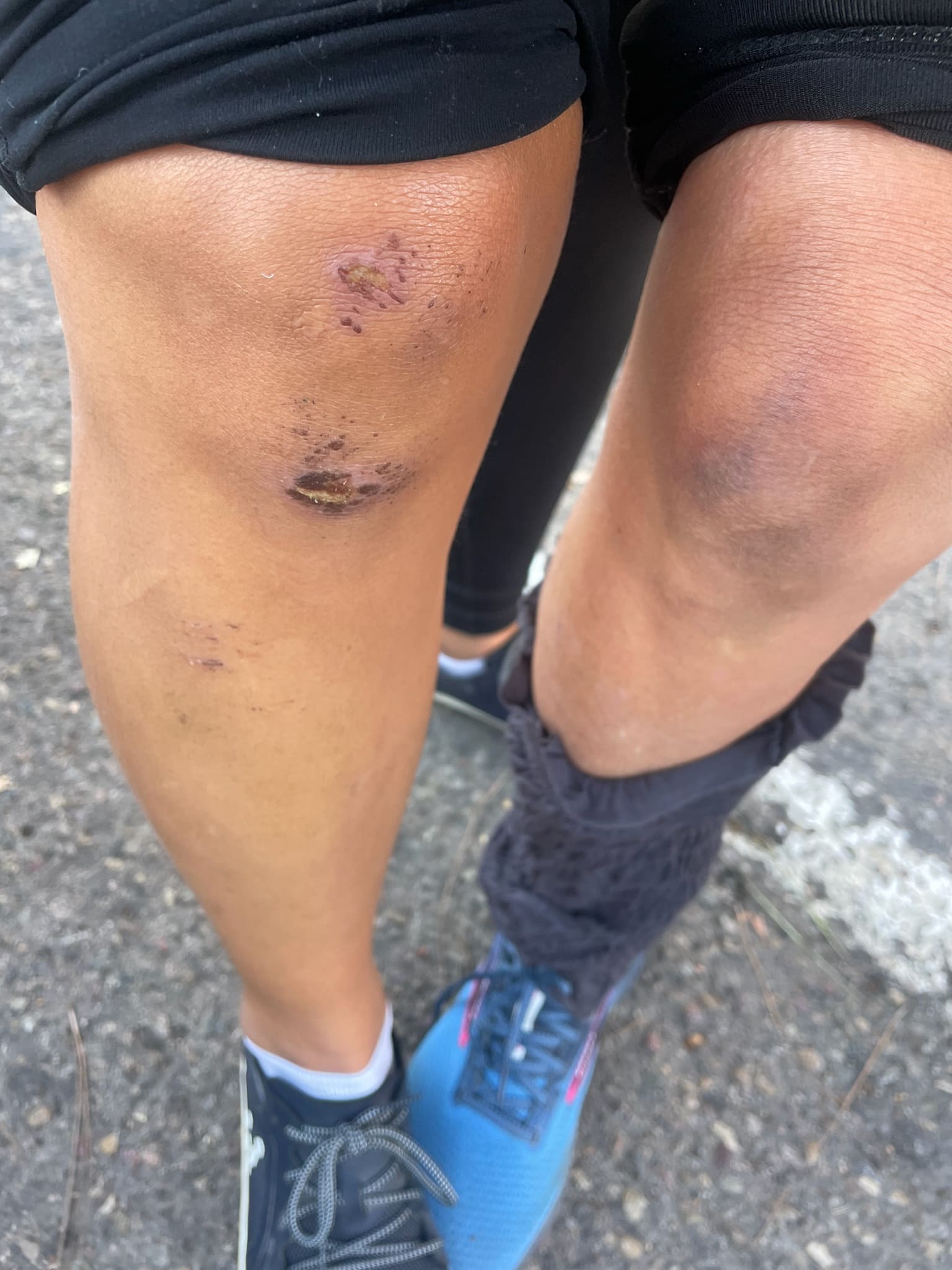
The first was Tri-25: a 2.5-mile swim, 25-mile bike ride, and 7-mile run. It was peak summer heat. I remember finishing the run completely depleted—dry-heaving from dehydration—and still crossing the line. There was nothing glamorous about it, just persistence.
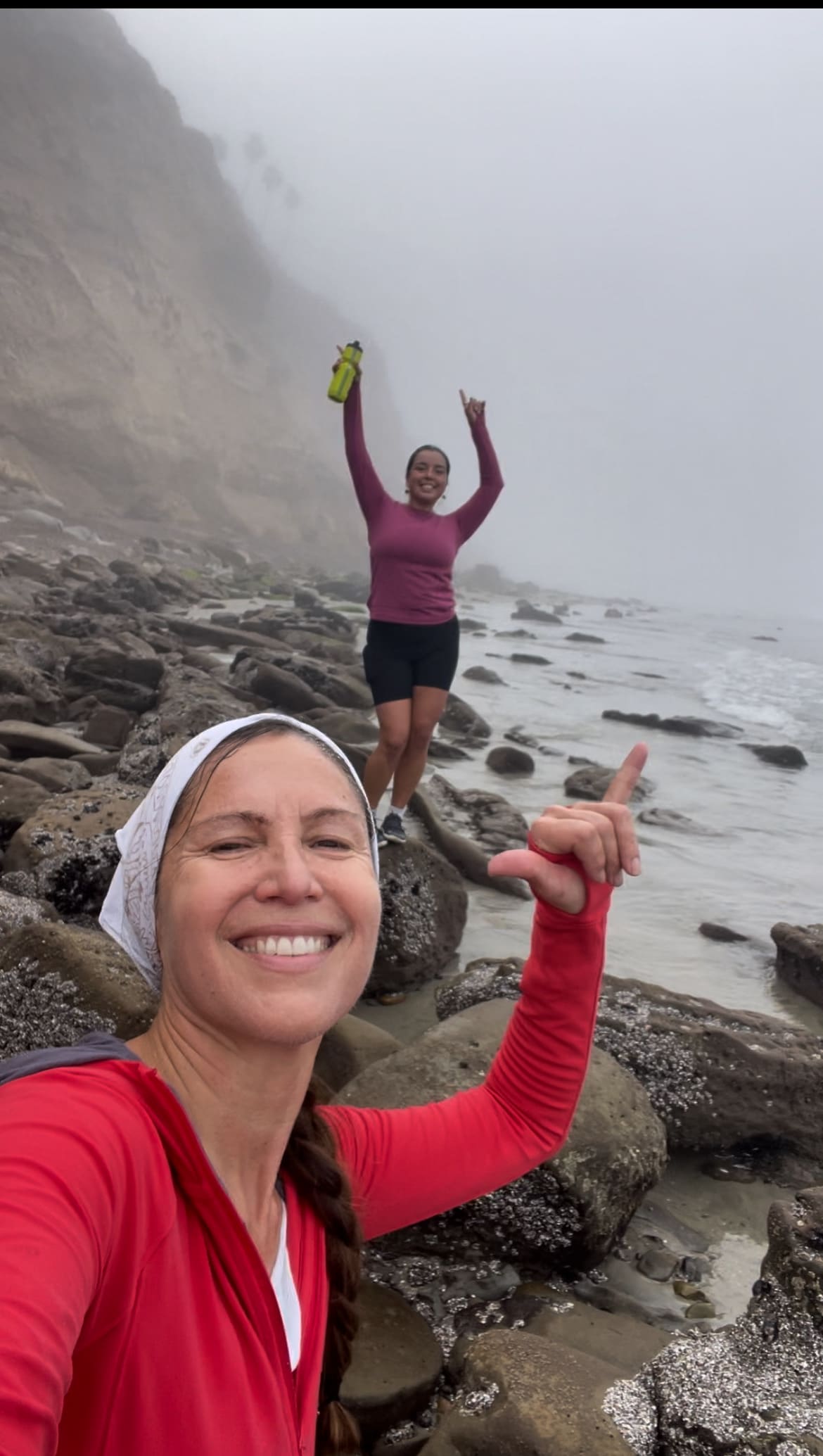
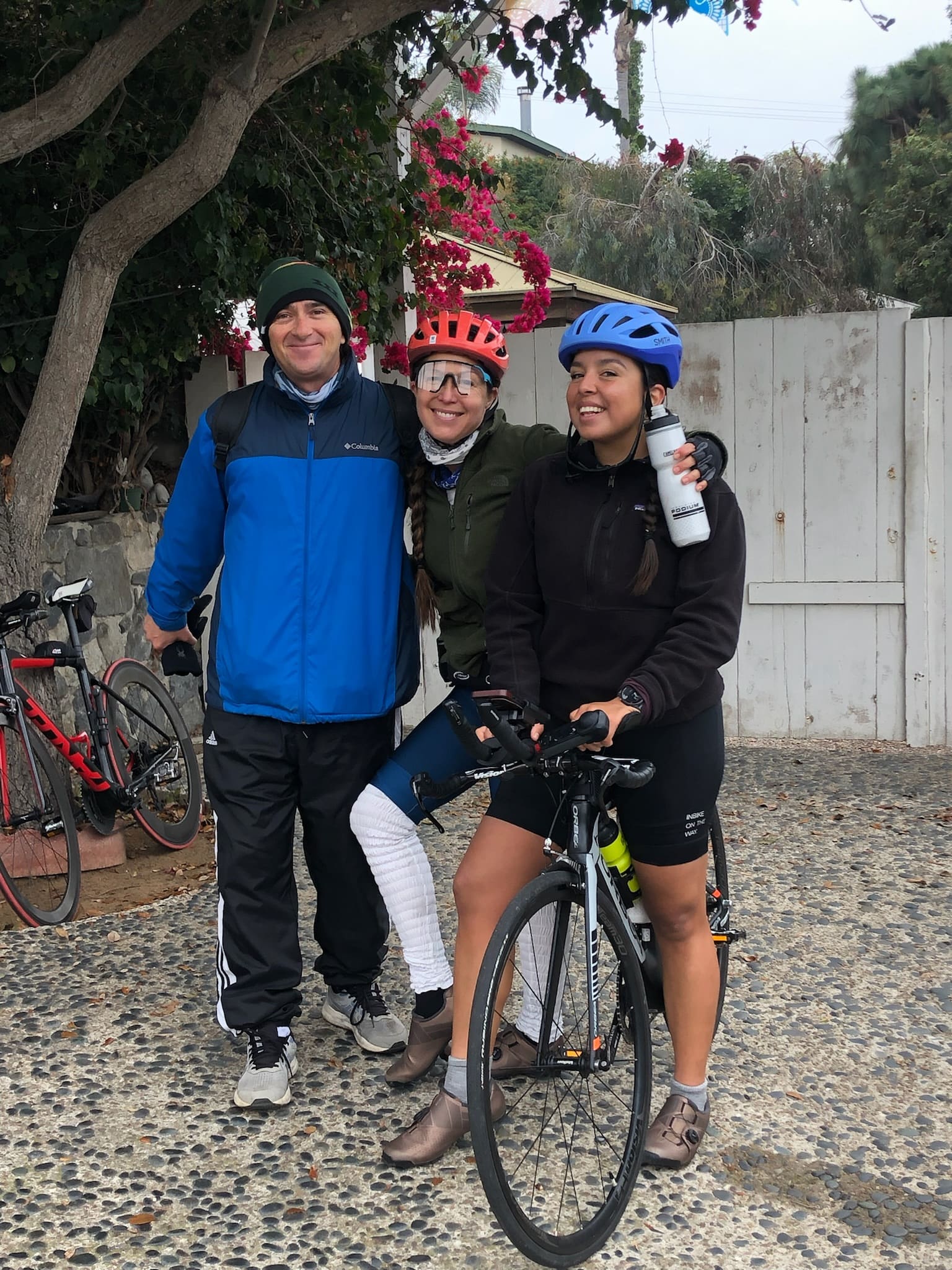
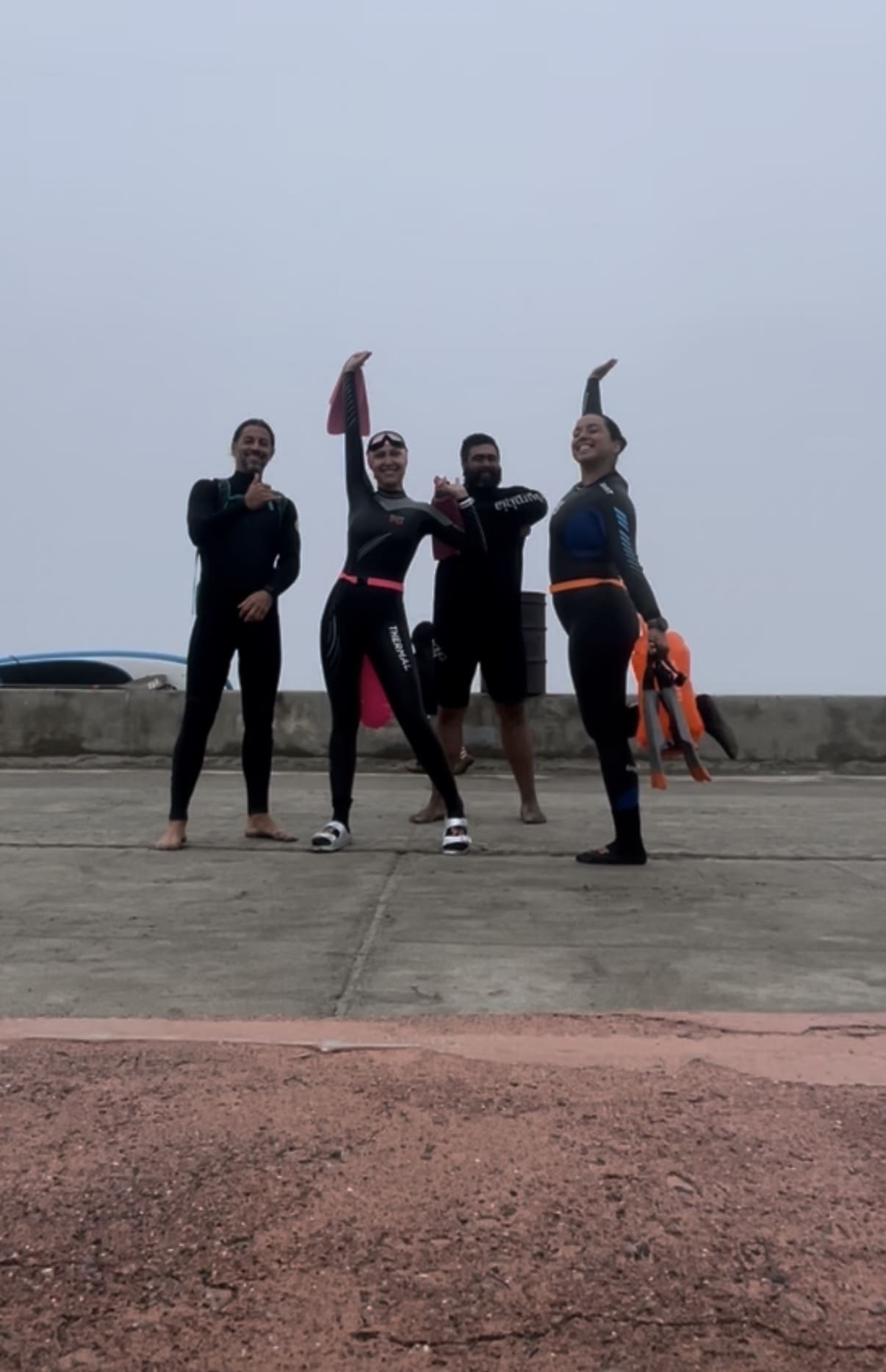
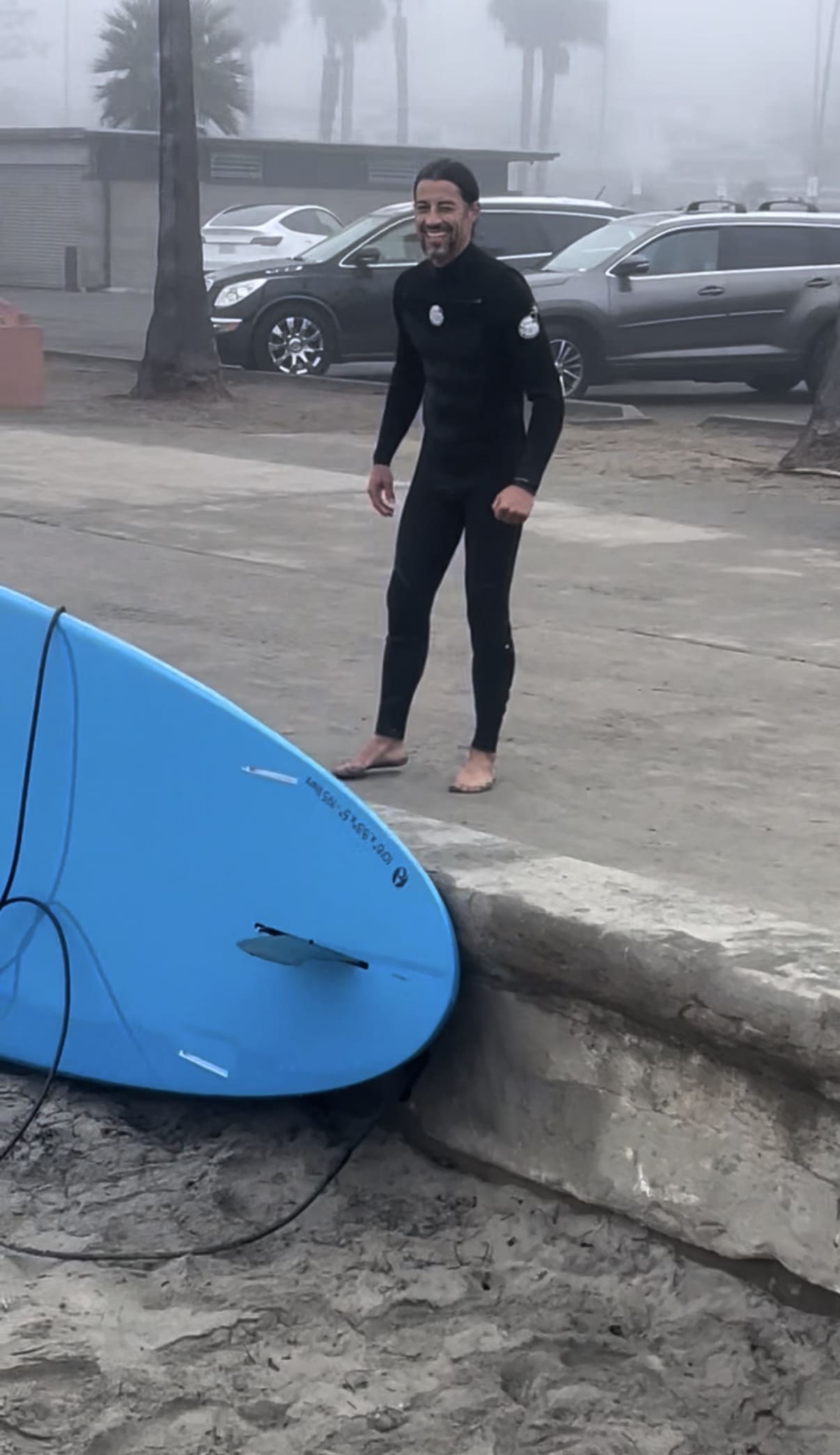
The second, Tri-55, was longer and more demanding: a 55-mile bike, 3-mile swim, and 10-mile run. We swam in fog in February. Rode through dark mist at night. It was colder, quieter, heavier in a different way. Still, we kept moving.
We had support from our co-captains watermen/super athletes Bruno Serrano and Kaliko Kahoonei, who watched over us in the waters fog and held a steady guide for us. Their presence made a difference just by being there—our brother Keele joined us for the bike stretch, which made the experience even richer.
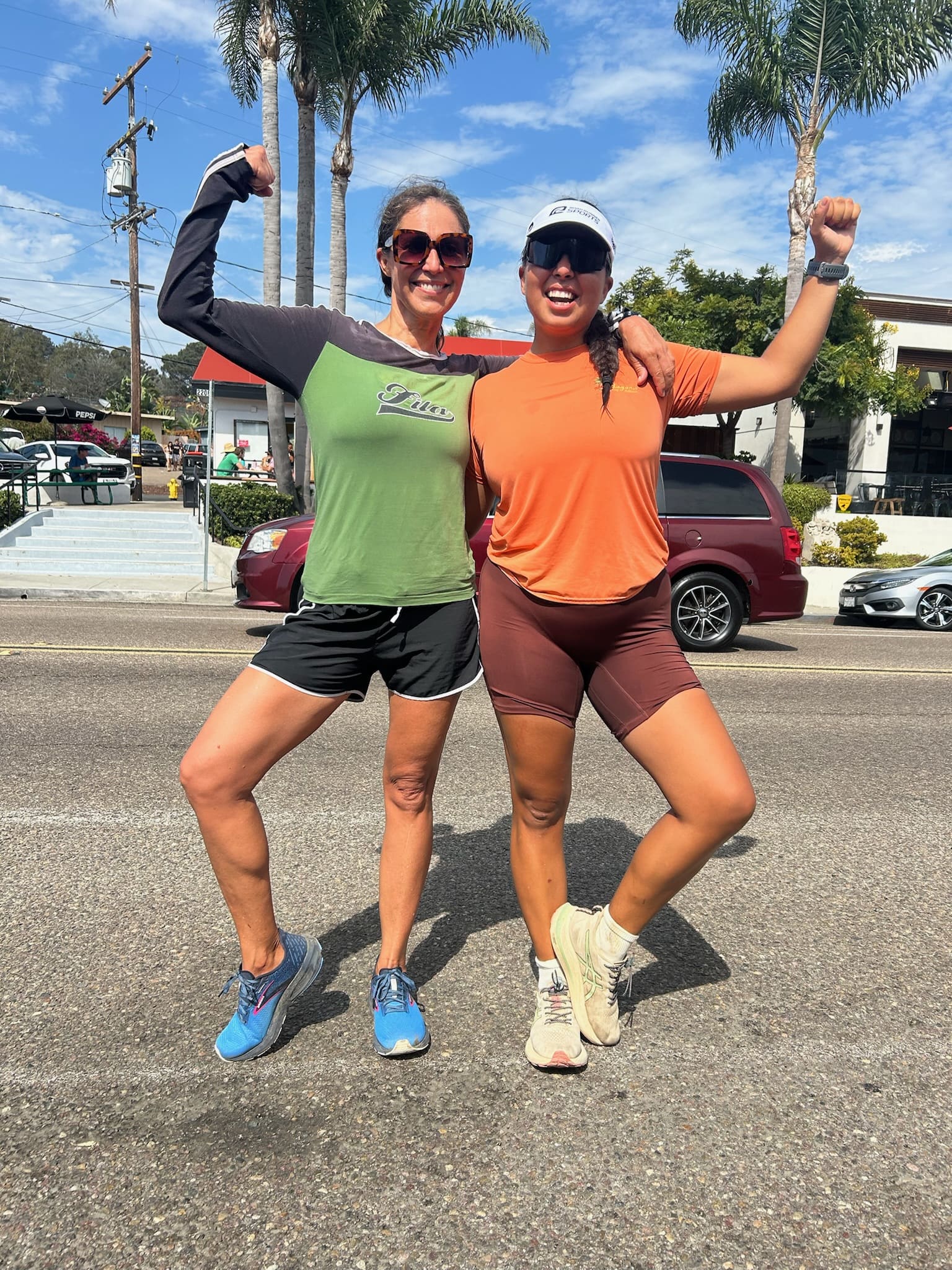
We finished strong.
And more than anything, it became a lived understanding of what a Msogi actually is. Not as a concept, but as repetition, discomfort, adaptation, and return. Something you carry through your body long after the event is over.
We’re proud of it. Not in a loud way. In a lasting one.
And now, we move toward the next Misogi.
@JesseItzler
@sophiaLynnUribe
@TriclubSanDiego
Location: La Jolla, CA