
About SITA
My Inspiration
My love of fashion began at a young age through a fascination with color, self-expression, and the joy of creating things with my own hands. Growing up on an organic farm with my Mexican-Indian father, fashion wasn’t something he understood, but he recognized my passion for making things and bought me my first sewing machine. As an energetic child who spent her days biking, climbing trees, and exploring outdoors, sewing became a creative outlet where I could channel my energy and bring my ideas to life. My mother taught me how to sew, while my stepmother—a talented seamstress and botanist—inspired my appreciation for both craftsmanship and nature through gardening, homemade potpourri, and other creative projects.
By the age of twelve, I was already turning my creativity into entrepreneurship, selling handmade potpourri pillows at the local farmers market. The excitement of earning my first twenty dollars from something I had imagined, created, and sold myself was unforgettable. It taught me that creativity had value and that something made with passion could connect with others in a meaningful way.
As a teenager, my world expanded through a family friend from Europe who was a couture designer. Each summer she arrived at our farm with beautiful pieces from her collection, introducing me to the artistry and emotion behind true design. She taught me the difference between simply wearing clothing and experiencing fashion as a form of self-expression. At seventeen, while studying in Europe, I had the opportunity to learn directly from her. Looking back, she was one of my greatest inspirations, helping me understand that fashion could be more than clothing—it could be art, storytelling, and a powerful reflection of who we are.
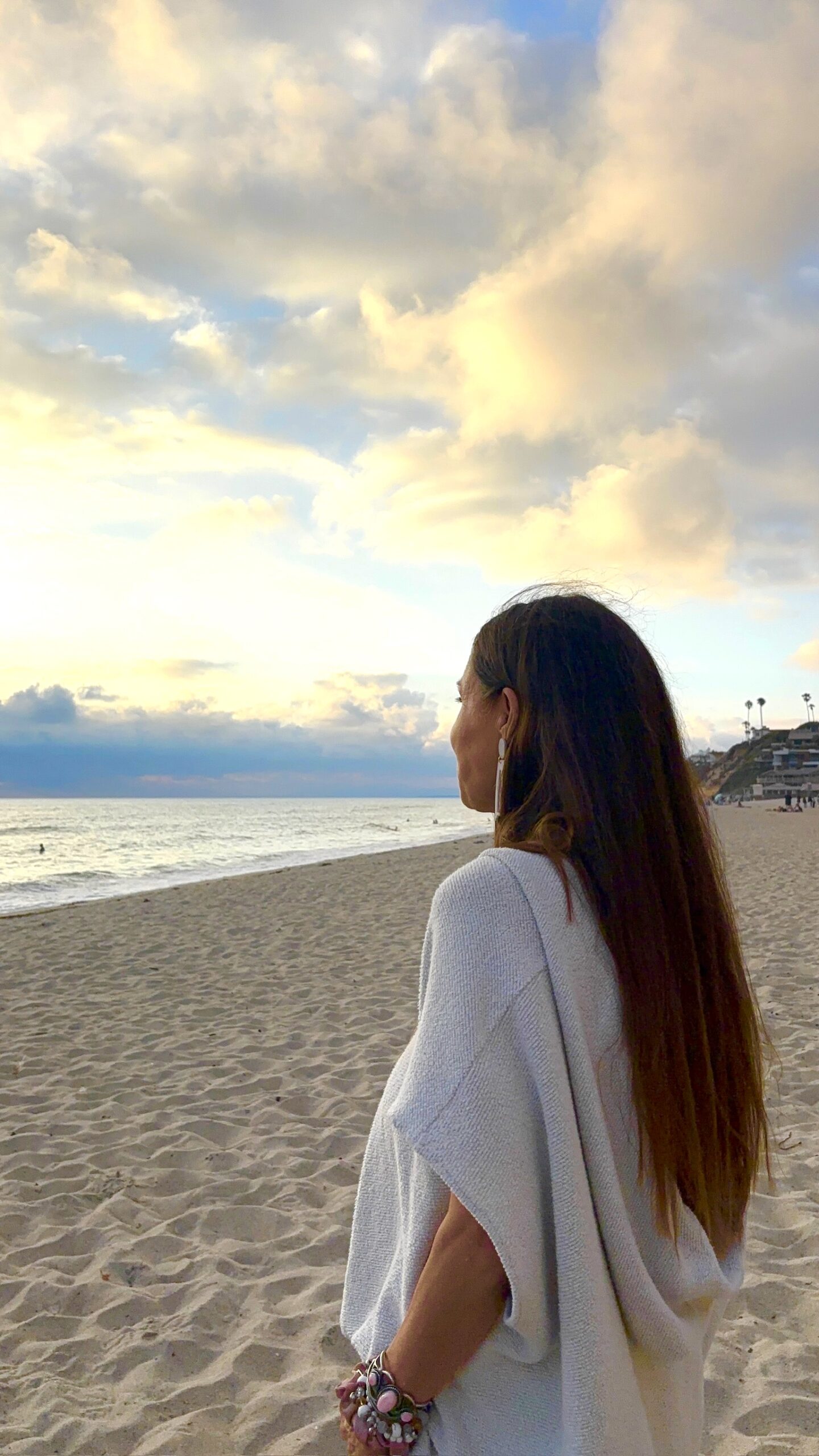
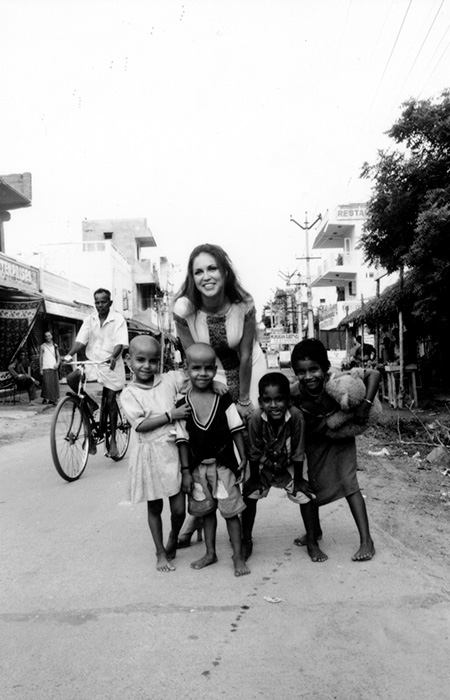
Mother India
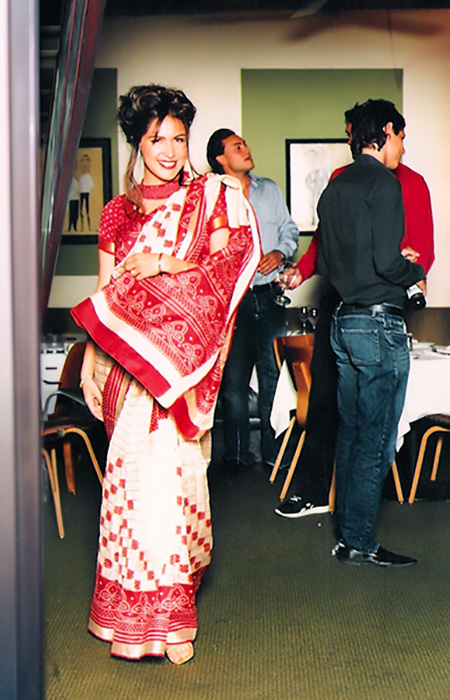
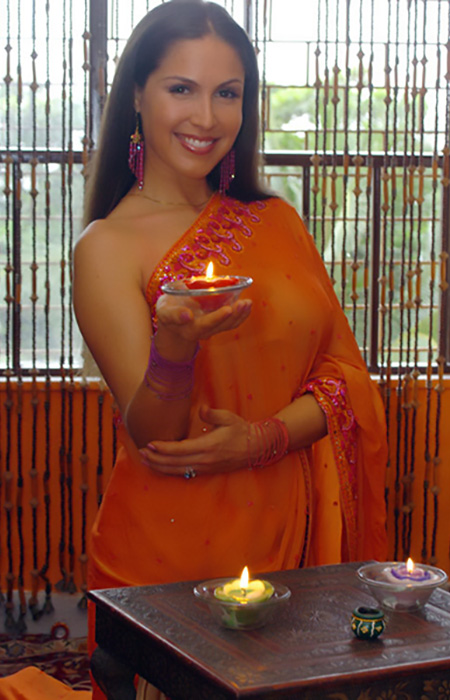
My years in India were among the most transformative of my life. Before moving there in the early 2000s, I was living in Los Angeles, working as a model and actress while searching for my true path. A film opportunity brought me to India, but what was meant to be a short project turned into a five-year journey that changed me forever. From the moment I arrived, I was captivated by the elegance of the sari, the grace of Indian women, the beauty of the culture, and the vibrant spirit of the people. India welcomed me with open arms, and I instantly fell in love with a country that would profoundly shape both my life and my creative vision.
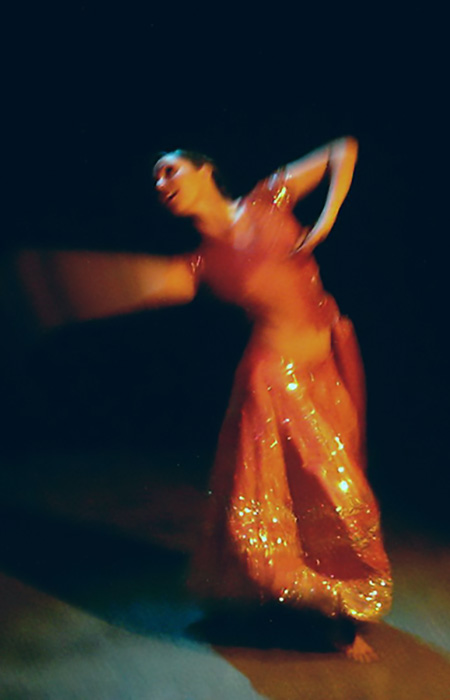
While working in Bollywood, I immersed myself in the study of Kathak, one of India's most revered classical dance forms, under the guidance of a legendary master. Those mornings spent training remain some of my most cherished memories. My teacher would arrive at my flat each day carrying his tabla and an infectious smile, eager to share his knowledge and passion. My maid often joked that when we danced together, the world itself seemed to shake. Beyond the performing arts, India became my classroom. Working alongside master artisans, designers, and pattern makers, I gained invaluable insight into garment production, craftsmanship, and the artistry behind creating clothing that is both beautiful and meaningful.
My connection to India was recognized when I received the National Overseas Citizens Friendship Award from the former Prime Minister of India, honoring me as someone who was "American by birth, but Indian by heart and values." That sentiment perfectly captures the impact India has had on me. Living and working in the public eye taught me the importance of feeling confident, authentic, and comfortable in what I wear. It inspired me to create clothing that reflects my values as a performer, entrepreneur, and global citizen. Even today, India remains deeply woven into the fabric of my life and brand. It is a place filled with lifelong friends who have become family, and a country that showed me more love, generosity, and inspiration than I ever imagined possible.
Kathak
Kathak, one of the great classical dance traditions of Northern India, is often described as the art of storytelling through movement. The word Kathak comes from the Sanskrit word katha, meaning “story,” and its earliest practitioners, known as Kathakas, traveled from village to village bringing ancient epics, legends, and mythology to life through music, rhythm, expression, and dance. Every gesture, glance, turn, and footfall carries meaning, transforming the dancer into a storyteller capable of transporting audiences across time and imagination.
Over the centuries, Kathak evolved from the temples of ancient India to the magnificent courts of royalty, where its focus expanded from purely spiritual narratives to include artistry, elegance, and entertainment. As generations of masters passed their knowledge from teacher to student, two celebrated schools emerged: the Lucknow Gharana, known for its grace, expression, and subtle storytelling, and the Jaipur Gharana, renowned for its powerful footwork, intricate rhythms, and technical brilliance. I have been incredibly fortunate to study both traditions. For five years, I trained under the guidance of the extraordinary Master Atma-ji, former dance partner of the legendary Gopi Krishna, in the Lucknow style, while also studying Jaipur Gharana with the respected Bombay-based Madam Bharka-ji and Master Dal-ji.
What makes Kathak so extraordinary is its ability to honor centuries of tradition while continually evolving through the creativity of great masters. The dance is sometimes compared to barefoot Flamenco, but with a uniquely Indian soul and the mesmerizing sound of ghungroos—hundreds of bells carefully tied around the ankles that transform every movement into music. Classes are traditionally accompanied by the live rhythms of the tabla, and many Kathak masters are accomplished tabla musicians themselves. Each lesson begins and ends with a toda, a sequence of movements that acknowledges the four directions and centers the dancer in the present moment. The final act of every class is one of deep humility and gratitude: touching the feet of the master in respect for the knowledge, wisdom, and artistry that has been passed down through generations. It is a beautiful reminder that Kathak is not simply a dance—it is a living tradition, a spiritual practice, and a lifelong journey of learning, discipline, and self-discovery.